

Brendan Ward, MA
Brendan Ward, MA
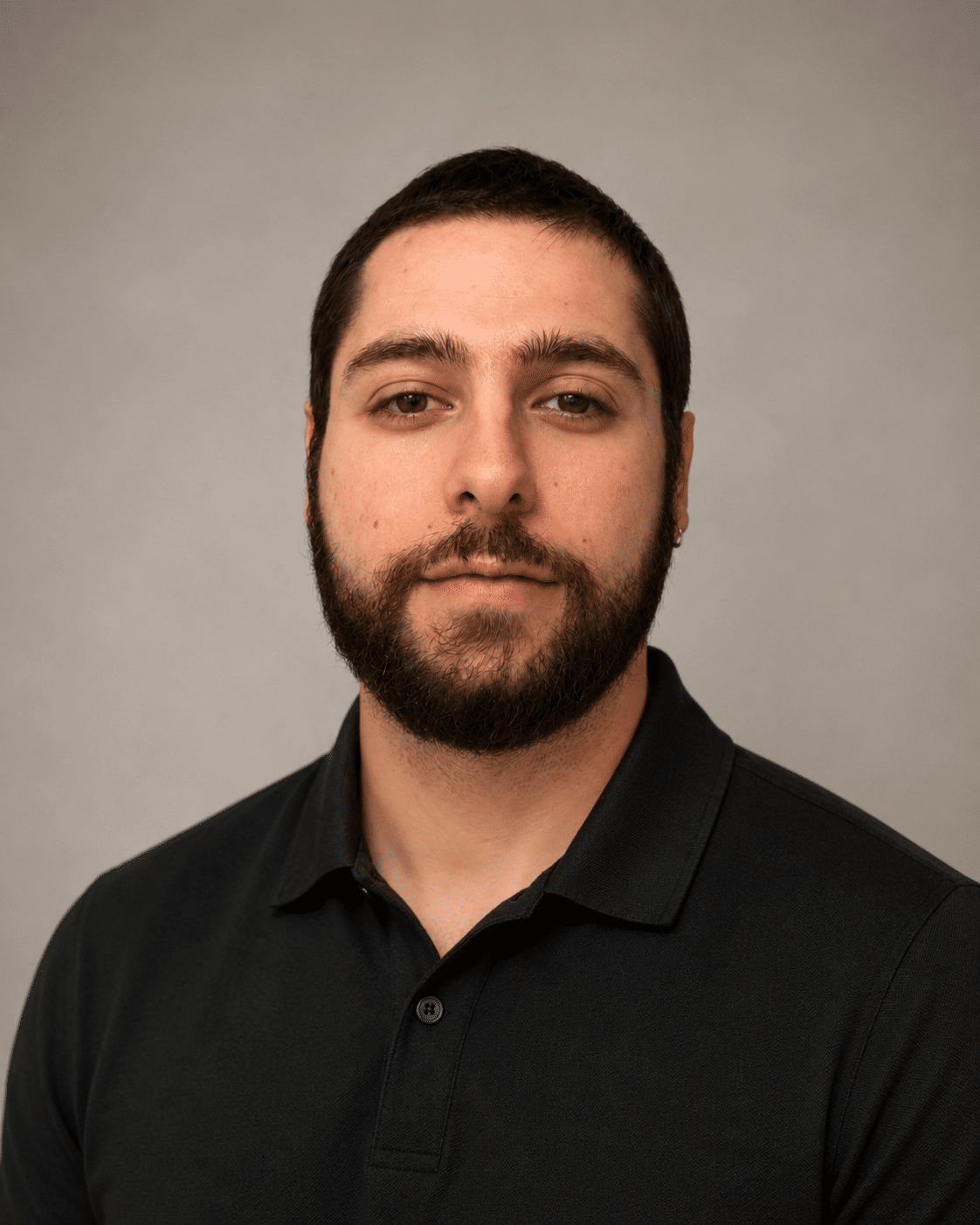
Psychotherapist
Approaches to Therapy
Brendan believes individuals often feel caught between competing needs, trying to satisfy one at the expense of another. In therapy, he aims to help clients slow down and identify these seemingly competing motivations with curiosity about how they developed and what keeps them in place. Rather than deciding that one side is “right” and another must be overcome, he hopes to help clients better understand and integrate these different parts of themselves without requiring one to be pushed aside. As automatic patterns become easier to recognize, clients can develop greater agency and freedom in how they respond. He strives to create a therapeutic relationship with enough acceptance and security for clients to explore difficult material without feeling the need to hide or suppress parts of themselves.
Specialties
- Existential Concerns
- Identity Development
- Mood and Anxiety
- Life Transitions
- Attachment & Relationship Issues
- Intimacy Issues
- Chronic Illness
- Social Isolation & Loneliness
- Self-Esteem
- Burnout
- Meaning & Purpose
Theoretical Orientation
Theoretical Orientation: Integrative (Psychodynamic, Existential-Humanistic, Attachment-Based, Experiential/Gestalt, Acceptance-Based)
Favorite Quote
“Just keep going. No feeling is final.”—Rainer Maria Rilke
Hobbies
Film, Poetry, Music, Exercise, Bowling
Brief Bio
Brendan is currently a student in the doctoral program in Applied Clinical Psychology at the Chicago School in Los Angeles. He received his MA in Psychology from Pepperdine University in Los Angeles.
His background as an independent life coach gave him experience helping individuals translate self-reflection into deliberate action. Brendan’s previous work in residential behavioral health reinforced his interest in how individuals adapt when familiar coping strategies no longer serve them. He is particularly interested in working with creative individuals who feel out of step with their surroundings and constrained in how they express themselves.
Psychotherapist
Approaches to Therapy
Brendan believes individuals often feel caught between competing needs, trying to satisfy one at the expense of another. In therapy, he aims to help clients slow down and identify these seemingly competing motivations with curiosity about how they developed and what keeps them in place. Rather than deciding that one side is “right” and another must be overcome, he hopes to help clients better understand and integrate these different parts of themselves without requiring one to be pushed aside. As automatic patterns become easier to recognize, clients can develop greater agency and freedom in how they respond. He strives to create a therapeutic relationship with enough acceptance and security for clients to explore difficult material without feeling the need to hide or suppress parts of themselves.
Specialties
- Existential Concerns
- Identity Development
- Mood and Anxiety
- Life Transitions
- Attachment & Relationship Issues
- Intimacy Issues
- Chronic Illness
- Social Isolation & Loneliness
- Self-Esteem
- Burnout
- Meaning & Purpose
Theoretical Orientation
Theoretical Orientation: Integrative (Psychodynamic, Existential-Humanistic, Attachment-Based, Experiential/Gestalt, Acceptance-Based)
Favorite Quote
“Just keep going. No feeling is final.”—Rainer Maria Rilke
Hobbies
Film, Poetry, Music, Exercise, Bowling
Brief Bio
Brendan is currently a student in the doctoral program in Applied Clinical Psychology at the Chicago School in Los Angeles. He received his MA in Psychology from Pepperdine University in Los Angeles.
His background as an independent life coach gave him experience helping individuals translate self-reflection into deliberate action. Brendan’s previous work in residential behavioral health reinforced his interest in how individuals adapt when familiar coping strategies no longer serve them. He is particularly interested in working with creative individuals who feel out of step with their surroundings and constrained in how they express themselves.